

Brewing Molecules For The Table
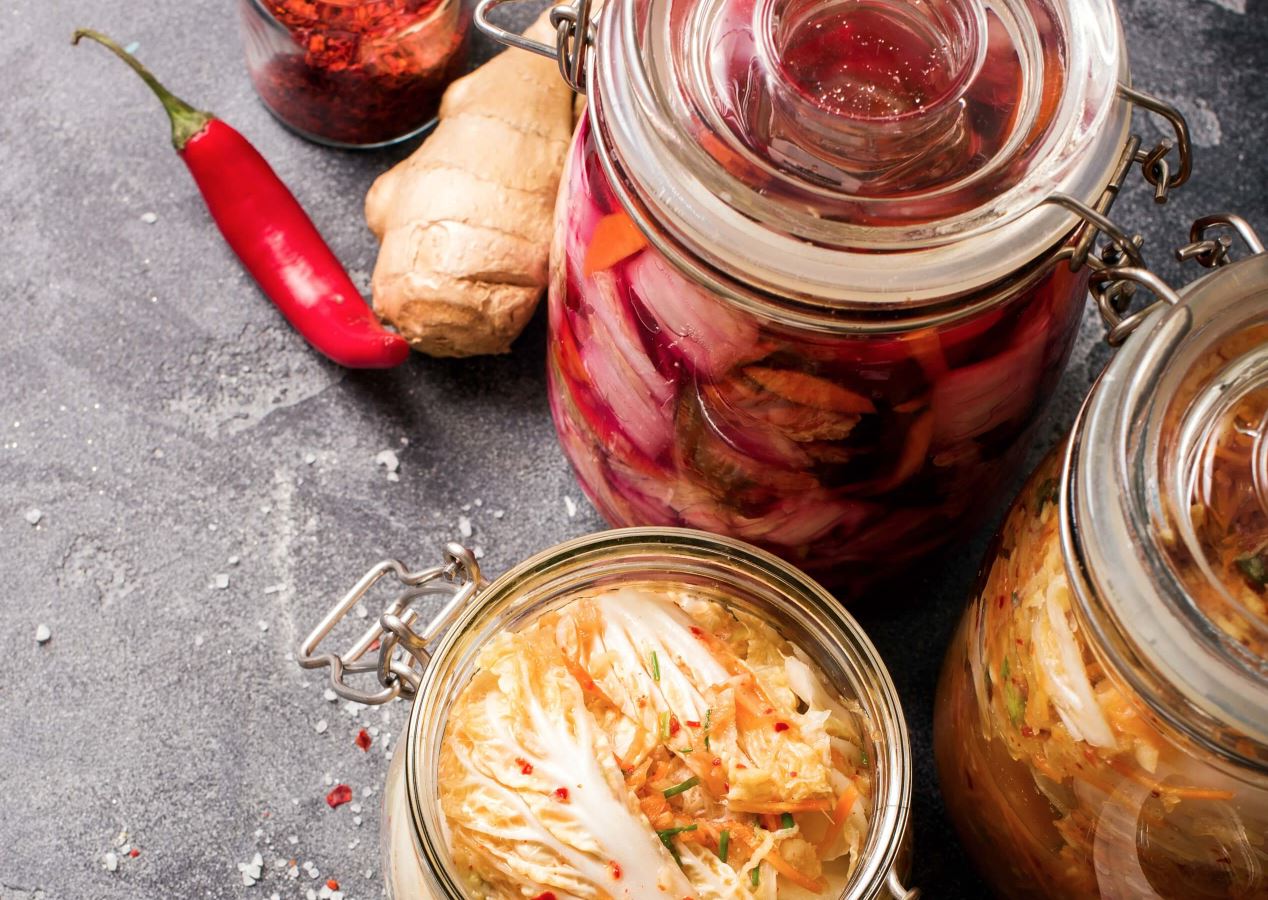
Tailored microbes craft familiar flavors and vital nutrients with accuracy, scale, and respect for the planet
What precision fermentation really builds
Precision fermentation uses carefully selected microorganisms to make specific food molecules that once came only from animals or from scarce crops, and it does this by giving microbes genetic instructions to express a single target or a focused family of targets so that the resulting broth contains high yields of a desired protein, fat component, enzyme, vitamin, or aroma that can be purified and folded into everyday foods without changing the soul of a dish.
Choosing a microbial home for the recipe
The craft begins with a host that behaves well in tanks and plays nicely with the target molecule, bakers yeast offers strong history and safety, certain bacteria grow quickly and handle lower cost feed, filamentous fungi secrete complex proteins into the broth for easier capture, and each host brings its own strengths in glycosylation control, tolerance to acids or alcohols, and compatibility with food grade processing.
Designing the genetic blueprint with intention
Scientists map the target gene sequence, optimize codons for the chosen host, attach promoters and signal peptides that control expression and secretion, and include regulatory elements that keep production steady without harming cell health, then they test multiple constructs because small sequence changes can shift folding, stability, and flavor outcomes that become obvious only after cooking or storage.
Feeding the culture with responsible inputs
Microbes need carbon, nitrogen, trace minerals, and vitamins, and modern plants favor feed streams from agricultural byproducts such as sugar syrups from starch breakdown or glycerol from biodiesel production, while emerging lines explore one carbon routes that pair microbes with green hydrogen or captured carbon dioxide to create proteins with small land footprints, all while maintaining food grade purity and consistent supply.
Bioreactors as kitchens with perfect timing
A fermentation vessel maintains temperature, pH, oxygen, and mixing so that cells can focus on work rather than stress, dissolved oxygen sensors talk to air and agitation controls, antifoam systems prevent spills, and clean in place loops keep surfaces sterile between runs so that each batch begins with a known baseline and ends with predictable quality.
From growth to production without drama
Many processes run in two phases, first cells multiply to create biomass, then conditions shift to trigger strong expression, the switch can be a change in sugar, a quiet temperature step, or the addition of an inducer that the host recognizes, and a well tuned transition avoids shock while pushing output to the level that makes food scale economics possible.
Harvesting products with gentle hands
Downstream steps separate the target from the broth without damaging structure, secreted proteins can be captured by filtration and chromatography that focus on size and charge, intracellular products require cell opening through pressure or enzymes followed by polishing, and the final material is washed, concentrated, and dried where appropriate so that it blends cleanly into foods.
Building dairy without a herd
Casein and whey proteins crafted through fermentation allow cheesemakers to form familiar networks that stretch, melt, and age with character, lactose free by default and consistent from batch to batch, and when these proteins meet plant based fats and minerals in the right ratios they create yogurt styles, cream cheeses, and melting slices that behave like long loved versions while easing pressure on land and water.
Enzymes that unlock taste and texture
Rennet for cheese, amylases for baking, lipases for flavor development, and lactase for gentle digestion are all examples where a small dose made by microbes reshapes an entire product, and because the enzyme is defined at the molecular level it brings accuracy to process times, salt levels, and moisture retention that reduce waste and increase quality in busy kitchens and plants.
Fats and colors guided by metabolism
Yeasts and algae can build fatty acids that mirror those in fish or in bovine milk, delivering clean taste without ocean variability and giving formulators control over saturation and chain length, while natural pigments such as carotenes or betalains can be produced with tight specifications so that hue remains stable on the shelf and in the oven.
Aromas with memory and restraint
Vanillin, citrus notes, cocoa helpers, and roasted accents can come from microbial pathways tuned to produce a single high purity compound, which avoids the agricultural intensity of some legacy sources and reduces volatility in cost, yet the goal is not to flood foods with intensity, it is to recreate the gentle balance that people expect when aroma arrives with the right rise and fade during a bite.
Quality systems that protect trust
Food plants that run precision fermentation follow hazard analysis plans, maintain sterile utilities, verify raw material identity by lot, and keep electronic records for every parameter from pH to airflow so that a deviation can be traced in minutes, and routine assays confirm that the final protein sequence, glycan profile, moisture, and microbial counts sit exactly where specifications require.
Labeling that speaks plainly
Packages should name the molecule and the microbial source in ordinary language, explain the role it plays in the food, and share allergen information where the target is identical or similar to known allergens, because clarity made simple reduces confusion and helps families choose confidently without wading through jargon.
Safety from the first gene to the last valve
Host history of safe use, absence of antibiotic resistance markers, validated removal of processing aids, and toxicology where needed create a chain of evidence that regulators can review quickly, and facilities maintain environmental monitoring so that stray microbes do not establish communities on drains or gaskets where they could later threaten clean batches.
Cost curves that bend with scale
Media cost falls when inputs come from commodity side streams, yields rise as strains evolve through adaptive lab steps and smart selection, and bioreactors run more consistently when sensors learn the fingerprints of good runs, which together drive cost per kilogram down toward levels where home cooks and cafeterias can afford daily use without special budgets.
Measuring the real footprint
Life cycle analysis for fermentation products includes feed production, electricity, steam for sterilization, water for cleaning, and packaging, and results improve significantly when plants run on renewable power, recover heat from chillers, recycle process water through safe loops, and locate close to sugar or starch sources to avoid long trucking.
Pairing with farmers rather than replacing them
Grain growers supply starch that becomes sugar, oilseed processors provide proteins for scaffolds in blended foods, and waste streams such as bran or molasses find new value as microbial feed, which keeps money in rural regions and turns fermentation into a partner for diversified agriculture.
Flavor development in real kitchens
Cooks test fermented dairy proteins with tomatoes, acids, and smoke to see how they stretch and brown, bakers run trials for crumb softness and crust snap, and frozen dessert makers examine ice crystal control and scoopability after weeks in storage, because performance in the bustle of service defines success more than any bench result.
Consumer acceptance built through taste and story
People embrace new methods when the plate tastes right and when the path from microbe to meal feels transparent and respectful, open tours, simple videos, and chef partnerships turn fear into curiosity, and when a child takes a bite of grilled cheese that behaves like the one their grandparent made, the conversation shifts from method to memory.
Contamination control as daily discipline
Air filtration, steam sterilization, validated cleaning recipes, and strict gowning keep tanks free of wild microbes that could steal sugars or make off flavors, and operators train to notice small signs such as a foam pattern that looks wrong or a slower oxygen recovery after a stir change, because early attention saves batches and avoids waste.
Water use with respect and reuse
Fermentation plants can loop rinse water into first wash stages, capture condensate for utilities, and concentrate solids from spent broth for animal feed or for soil amendments where rules allow, and these choices reduce draw on local supplies while turning byproducts into assets for neighbors.
Continuous processes and the road to steady output
Perfusion systems keep cells in a reactor while media flows through, which raises productivity and smooths energy demand, and membrane modules or gravity settlers separate cells gently so that culture health supports weeks of stable operation, an approach that shortens cleaning cycles and squeezes more meals from the same footprint.
Inline analytics that guide decisions
Raman probes, capacitance sensors, and soft sensors trained on historical runs read the broth without samples, predicting when to feed or when to harvest with minute by minute accuracy, and these tools reduce hold times, prevent overprocessing, and improve lot to lot sameness that chefs and shoppers appreciate.
Intellectual property and open recipes
Some companies protect strain designs and process conditions to recover investment, while others publish methods to build ecosystems faster, and a healthy field likely needs both paths, proprietary work that pushes boundaries and shared standards for safety, labeling, and analytics so that interoperability and confidence rise for everyone.
Workforce that blends lab skill with food sense
Technicians learn aseptic technique, instrument calibration, and data logging, then spend time in bakeries and pilot kitchens to understand how a protein melts or how an enzyme changes dough feel, and this cross training prevents tunnel vision and drives faster iteration because every adjustment considers both tank and table.
Regional hubs that reflect local strengths
A sugar rich region might host protein plants that ship dry powder to nearby dairies and bakeries, a coastal city with algae expertise might lead in omega production, and a cold climate with abundant renewable power might specialize in energy intensive steps such as drying, creating a network where logistics stay short and communities share value.
Standards that keep the category honest
Clear definitions for identity, purity, allergen labeling, and environmental reporting help buyers compare choices, and third party verification prevents green claims from running ahead of data, which protects early trust and gives pioneers credit for real progress rather than marketing gloss.
Nutrition that goes beyond familiar names
Precision fermentation can create rare amino acid ratios, tailored mineral chelates for better absorption, and vitamins that remain stable during baking or retort, allowing fortification that persists through cooking and storage, and that reliability helps schools and hospitals deliver consistent nutrition with simple menus.
Risks and limits addressed with care
Feedstock price spikes, energy availability, and supply chain fragility can challenge plants, and not every molecule suits microbial production due to folding needs or complex modifications, so teams run feasibility screens early and design dual sourcing with plant or animal routes as backups during growth years.
Culinary creativity unlocked by new building blocks
Once a pantry holds reliable dairy proteins, clean enzymes, precise aromas, and stable fats, chefs mix them with legumes, grains, and vegetables to design foods that are familiar yet lighter on resources, marbled slices that brown well, creamy sauces that do not split, and frozen treats that scoop even after a week of family door opening, all created with a level of control that old supply chains seldom offered.
Education for shoppers and students
Simple lessons in schools and community centers show that yeast once raised bread and brewed beverages and now helps make proteins and vitamins, and tasting sessions let people compare grilled cheese, yogurt cups, and baked goods side by side to see that careful science can serve comfort rather than replace it.
Future lines that stretch imagination
Cell free systems that run enzymes without living cells promise speed and control, electro fermentation links renewable electricity to metabolic pathways, and adaptive control powered by learning algorithms will catch deviations before humans can see them, while new hosts that eat methane or carbon dioxide may rewrite the energy math for hard regions.
A careful brew for a generous table
Precision fermentation invites food makers to pair patience with accuracy, to let microbes craft known molecules in clean rooms powered by thoughtful energy, and to send those molecules into kitchens that care about flavor more than novelty, and if we keep the focus on taste, safety, and honest impact, this quiet technology can help fill plates with familiar joy while giving land and water a chance to breathe.