

Gardens That Rise Toward The Roof
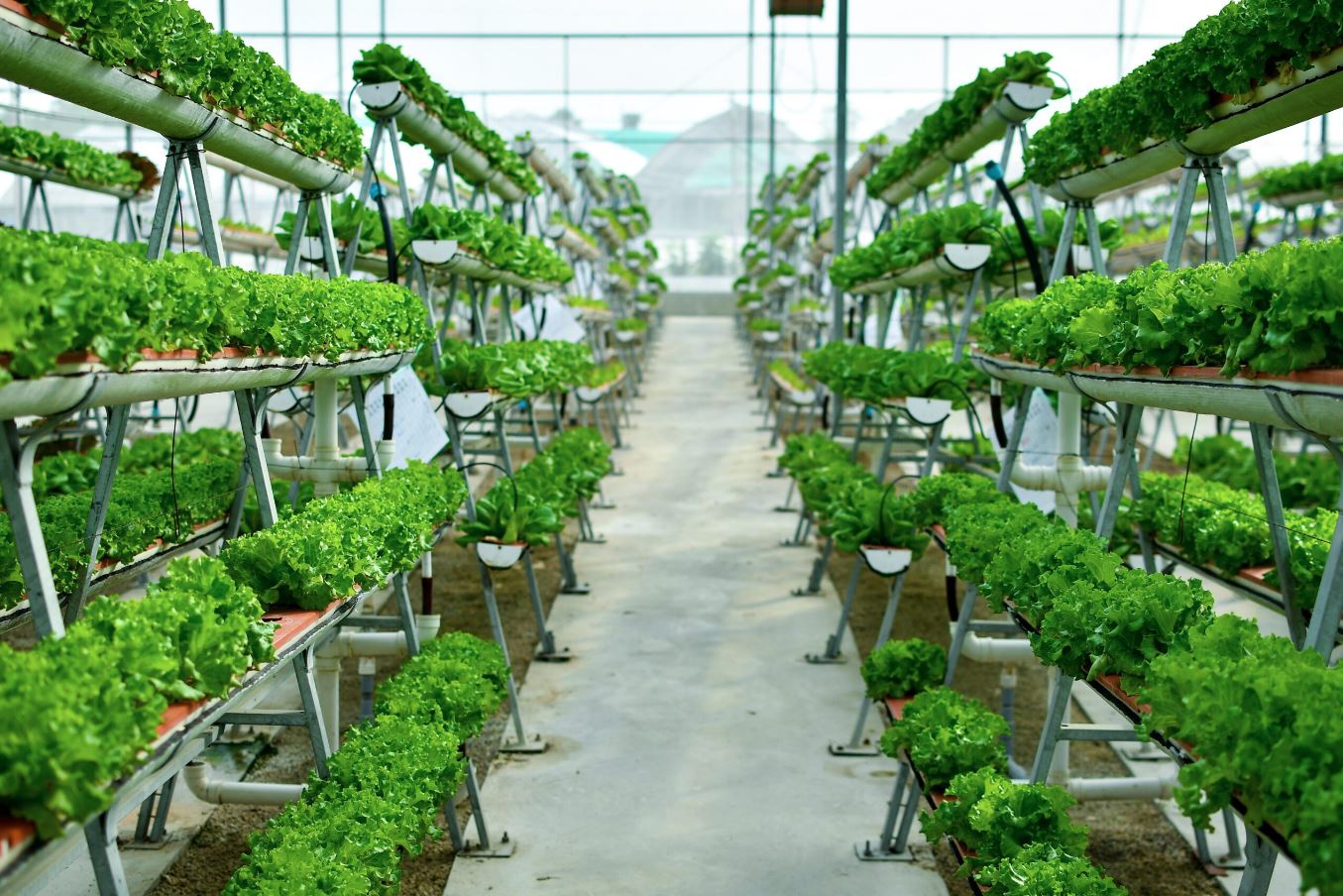
Urban harvests grown on stacked shelves with light, water, and data working together for taste and resilience
Why cities reach upward for greens and fruit
Vertical farming stacks crops in tiers inside controlled rooms so that every square meter of floor becomes many square meters of leaf and fruit, and this approach places production close to eaters which trims transport time, keeps quality high, and steadies supply when weather outside becomes erratic, while clean rooms and careful recipes for light and nutrients shape flavor in ways that open field systems cannot always guarantee.
Light as the primary ingredient after water
Plants read light not only as energy but as information, red wavelengths push photosynthesis, blue guides compact growth, far red influences shade response, and a touch of ultraviolet can stimulate protective pigments, so growers tune spectra and intensity through the day to match each crop and growth stage, and they adjust height above the canopy to maintain uniform photosynthetic rates without scorching tender tips.
Energy choices that make or break the model
Electricity drives lights, pumps, and fans, so costs and sustainability depend on how power is made and when it is used, farms lower bills with high efficiency diodes, variable speed drives on blowers, thermal storage that shifts cooling to off peak hours, and long term power agreements with wind or solar plants, while heat recovered from chillers warms nutrient tanks and work spaces which squeezes additional value from every kilowatt hour.
Air, temperature, and humidity in delicate balance
Leaves breathe water vapor and oxygen and they need carbon dioxide to build sugars, so a good farm keeps temperature in the comfort zone for enzymes, holds humidity where stomata work well, sweeps away excess moisture to prevent disease, and maintains a steady supply of carbon dioxide that stays within safe limits for workers, and all of this happens with sensors that watch conditions and with fans and coils that respond gently rather than in jolts.
Nutrients mixed like a precise soup
Hydroponic systems deliver nitrogen, phosphorus, potassium, calcium, magnesium, and trace elements at exact concentrations and pH targets, and the recipe shifts from seedling to harvest as roots mature, farms log electrical conductivity and pH many times each day, swap or refresh solution when imbalances creep in, and filter recirculating streams to remove biofilms, which reduces water use and keeps flavor consistent from week to week.
Choices of growing method and root support
Deep water culture floats rafts on shallow ponds of moving solution, nutrient film technique runs a thin stream along channels that cradle roots, aeroponics mist roots inside clean chambers to maximize oxygen, and coco fiber or peat free blends offer structure when handling requires pots, and each method has tradeoffs for labor, risk, and yield that farms choose based on crop type and market demand.
Cleanliness and plant health as daily rituals
Because many plants share one room, hygiene matters, tools and benches are sanitized on a schedule, foot baths and gowns keep outside spores out, filters trap airborne particles, and scouting teams walk rows each day to catch early signs of stress, and when problems appear, farms use biological controls and environmental tweaks before reaching for chemicals, which protects both workers and beneficial organisms.
Automation that assists rather than replaces people
Conveyors move trays from seeding to germination to grow rooms and then to harvest, cameras estimate biomass and detect leaf color shifts that hint at nutrient issues, and software turns sensor streams into advice for irrigation and climate control, yet human eyes and hands still matter for pruning, packing, and quality checks because taste and texture remain the final arbiters of success.
Flavor as the north star of cultivation
People buy lettuce and herbs for aroma and crunch, not for theory, so farms run trials that compare light spectra, night temperatures, and nutrient balances to see which combination sharpens basil fragrance, sweetens cherry tomatoes, or keeps romaine crisp after two days in a household fridge, and chefs visit to taste side by side so that settings reflect real cooking rather than only lab metrics.
Beyond lettuce, a broader crop portfolio
Leafy greens are the usual entry point because they mature quickly and stack easily, yet strawberries, dwarf tomatoes, peppers, cucumbers, microgreens, edible flowers, and seedling starts for greenhouses can all thrive with careful trellising and pollination support, and a mixed portfolio reduces the risk that one market slump or one pest species shapes the entire year.
Pollination and plant development under a roof
Many fruiting crops need pollen moved from anther to stigma, some farms introduce bumblebees in carefully managed hives with escape prevention and gentle work protocols, others use air pulses or hand tools that shake flowers at the right moment, and hormone balance controlled by light and temperature ensures flowers set fruit without misshapen clusters.
Water as a closed loop resource
Recirculating systems capture runoff, filter particulates, sterilize with ultraviolet light or ozone, adjust nutrients, and send the stream back to roots, which cuts water use compared with fields, and condensate collected from dehumidifiers returns to tanks as a clean source that started as plant transpiration, turning humidity into fresh supply.
Waste streams turned into assets
Plant trimmings and spent roots become feedstock for composters or anaerobic digesters, packaging moves toward recycled content and minimal layers, and old lights or plastics follow certified recycling paths, and farms publish diversion rates so customers can see how close to zero waste the operation runs across seasons.
Food safety woven into daily motion
Workers wash hands on entry, wear gloves and hair coverings, color coded tools stay in assigned zones, and traceability follows every batch from seed lot to delivery route, harvest tables are cleaned between lots, and quick chilling protects texture while slowing microbes, which keeps recalls rare and confidence high.
Labor, training, and dignified work
A vertical farm can provide year round jobs in neighborhoods that lack stable employment, staff learn seeding, transplanting, climate monitoring, and quality grading, and career paths into maintenance, horticulture, and logistics retain talent, while ergonomic benches, lift assists, and rotating tasks reduce strain and keep teams healthy.
Economics that reward precision and scale
Capital costs include buildings, racks, lights, climate systems, water treatment, and automation, and operating expenses are dominated by electricity and labor, so profitability depends on yield per square meter, crop price, energy contracts, and distribution efficiency, and many farms start with high value herbs and specialty greens for restaurants, then add retail packs once processes settle.
Life cycle accounting that goes beyond claims
True comparisons measure energy for lighting and cooling, embodied carbon in equipment, transport avoided by growing near customers, water savings, and food waste reduction due to extended shelf life, and results improve markedly when power is renewable and when packaging is right sized and recyclable without contamination.
Grid integration and flexible demand
Lights do not need full intensity every hour of the day, so farms shift part of the lighting schedule to hours when power is plentiful, enroll in demand response that reduces draw during grid stress, and use batteries to shave peaks, which lowers bills and helps utilities manage renewable generation that rises and falls with wind and sun.
Placing farms inside existing buildings
Empty warehouses, parking structures, and basements become farms when ceilings are high enough and floors can support racks and water, careful insulation prevents condensation and heat loss, and neighborhoods gain new life when a quiet employer fills a long vacant space with steady activity and safe lighting.
Distribution that protects freshness
Because harvest and delivery happen within the same region, greens reach stores and kitchens within a day, boxes travel in small refrigerated vans with reusable totes, and route planning minimizes stops and idling, which keeps leaves crisp and reduces returns from wilted product.
Partnerships with schools and hospitals
Institutional buyers value reliability and nutrition, farms coordinate crop plans with menu cycles, provide education on storage and preparation, and supply salad mixes that meet specific texture and flavor targets, and these partnerships stabilize income so that consumer facing lines can innovate without risking the business.
Research links with universities and startups
Breeders select varieties for compact growth, strong flavor, and high vitamin content under artificial light rather than only for field performance, engineers refine air flow models to eliminate dead zones, and data scientists build digital twins that predict plant response to recipe changes, and together these efforts push yields higher while cutting inputs.
Resilience for cities facing shocks
During storms, fires, or supply chain disruptions, indoor farms continue to ship, which keeps produce sections stocked and kitchens cooking, and emergency agencies can contract for reserved capacity that shifts toward community boxes when routes reopen slowly, turning farms into quiet infrastructure for food security.
Flavor driven varieties that welcome chefs
Spicy mustards for noodle bowls, sweet crisp romaine for sandwiches, tender sorrels with bright acidity for fish, and petite herbs with concentrated aroma all come from targeted trials, and chefs collaborate to set harvest stage and postharvest handling so that each leaf arrives ready for the line without trimming waste.
Community outreach and open doors
Tours show students how seeds become salads, workshops teach home methods for window herbs, and hiring programs invite nearby residents to train and grow with the farm, and this presence turns an anonymous building into a neighbor that feeds the block in more ways than one.
Limits that guide honest planning
Grains, tubers, and large fruit crops carry energy and space demands that remain better suited to fields or greenhouses for now, and energy prices can shift quickly, so a prudent farm chooses crops with strong margins, negotiates power early, and builds modular rooms that can pause if markets soften without risking the entire operation.
Integration with regional agriculture
Indoor and outdoor systems complement each other, vertical rooms handle delicate greens in summer heat or winter cold, greenhouses take on vine crops with sunlight as a major energy input, and fields produce grains and roots with unmatched scale, and coordinated calendars reduce waste and smooth prices for everyone.
Packaging designed for the second week
Breathable films with tuned oxygen and carbon dioxide transmission keep leaves fresh without excess moisture, rigid clamshells give way to soft packs that use less plastic when logistics can protect them, and clear instructions on washing and storage help households enjoy the last portion as much as the first.
Quality control through the entire journey
Random lot checks measure crunch, sugar, and vitamin content, shelf life trials run in typical home fridges rather than only in labs, and feedback loops from retailers and restaurants feed into weekly adjustments, which ensures that a change in spectrum or irrigation shows up as better meals rather than as surprises at the register.
Finance models that share risk and reward
Some farms partner with property owners who want active tenants, others work with utilities that value flexible demand, and many seek community investment that keeps profits local, and transparent reporting on yield, energy, and wages builds trust that supports long contracts and stable staff.
Education for the next wave of growers
Training programs teach plant physiology, HVAC basics, water chemistry, food safety, and data literacy, internships rotate students through seeding, climate rooms, and packing, and graduates carry skills into new farms or into greenhouse and field roles that benefit from the same precision mindset.
Future directions with measured optimism
Improvements in diode efficiency, heat pumps with lower global warming potential refrigerants, low energy dehumidification, and crop breeding for indoor environments will push costs down and flavor up, and coupling with neighborhood renewable power and district cooling can close loops that once lost energy to the sky.
A stacked field that feeds the block
Vertical farming proves that agriculture can live inside the city without losing its soul, racks of soft light and clean water produce leaves and fruit that taste alive, workers earn steady roles under safe conditions, and neighborhoods gain a source of nourishment that keeps cooking even when outside weather argues, and as these rooms learn to sip power and to share heat and water wisely, the farm that rises toward the roof will feel as natural to the city as a bakery on the corner or a market on Saturday morning.