

Small Creatures Big Table
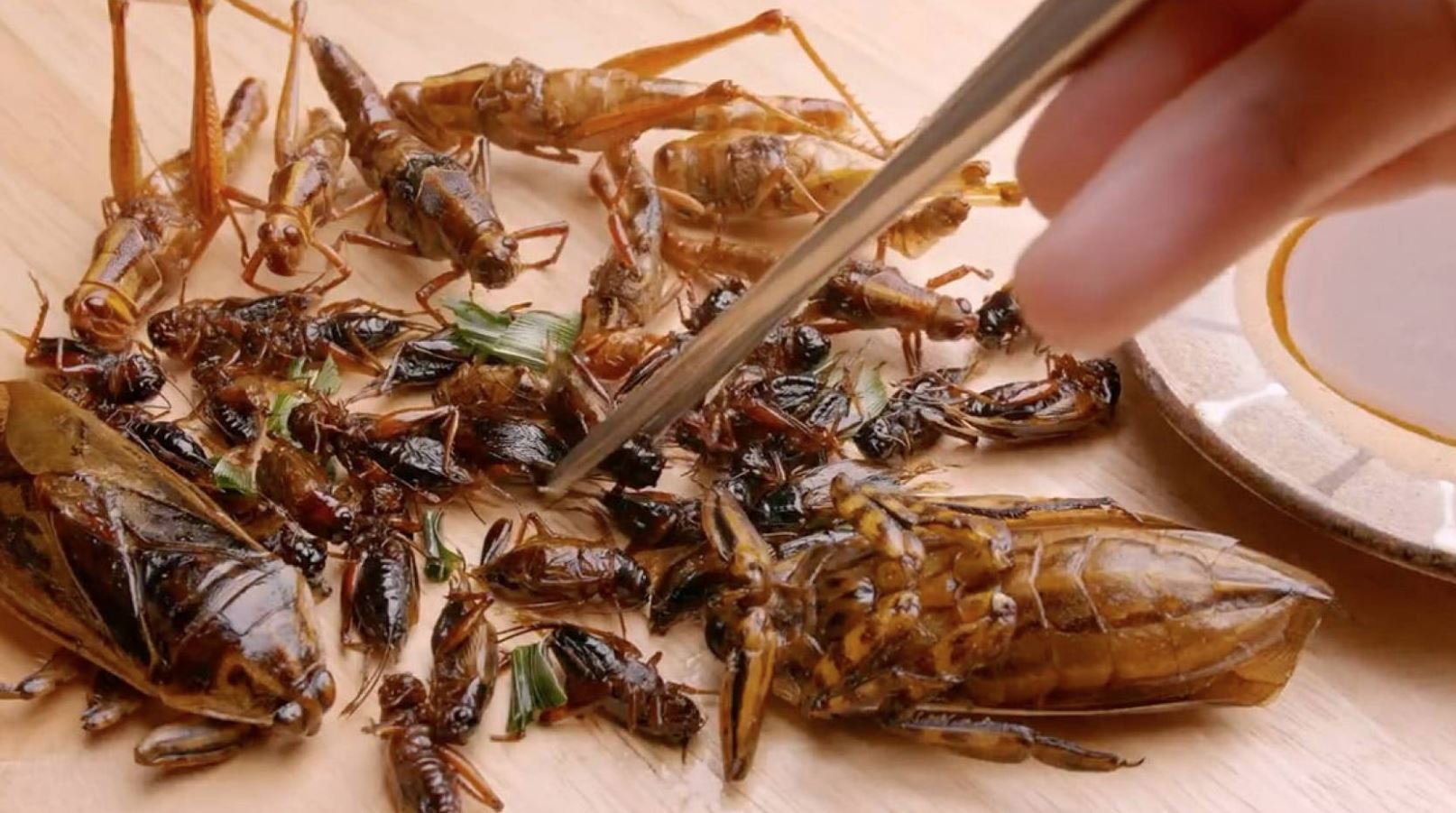
A culinary journey into sustainable protein through tiny harvests
What makes insects food worthy
Across many regions people already treat insects as ordinary ingredients, and this lived history answers a question that modern kitchens often ask in theory, which foods deliver nutrition with light footprints and rich culinary potential. Insects meet that challenge because they convert feed into protein with notable efficiency, they grow quickly, and they require little land compared to large animals. When cooks view them not as novelty but as produce, they notice fine details such as aroma, oil content, and texture, all of which translate gracefully into recipes that fit contemporary tastes.
Nutrition that fits modern goals
Edible insects offer complete proteins with essential amino acids, along with micronutrients such as iron, zinc, and vitamin B12, which makes them appealing for athletes, students, and workers who need reliable energy throughout the day. Their fat profiles vary by species, with some providing beneficial unsaturated fats and others bringing a neutral base that accepts seasoning without resistance. Chitin, the structural fiber in exoskeletons, can contribute to dietary fiber intake when milled finely, although individuals with shellfish allergies should evaluate this component carefully since cross sensitivity may occur.
Flavor maps and gentle chemistry
When heat meets insect proteins and natural sugars, familiar browning reactions develop aromas reminiscent of toasted grains, roasted nuts, or light seafood depending on the species and the cooking method. Grasshoppers lean toward herbal and popcorn like notes that suit lime, chili, and smoky salts, while mealworms offer a gentle hazelnut character that pairs with roasted vegetables and miso. Crickets bring a malty profile that food technologists often enhance with light fermentation or koji, building complexity without overwhelming the palate.
Texture architecture inside tiny bodies
Texture turns first time curiosity into repeat enjoyment, so chefs focus on structure as much as taste. Whole insects can be crisped for contrast in salads or tacos, while partially milled forms create granules that mimic ground meat in dumplings and meatballs. Fine flours integrate into batters, noodles, and breads, providing body and moisture retention without excess density when hydration levels and resting times are tuned with care. Each choice invites a different mouthfeel, which lets menus span crunchy snacks, tender fillings, and smooth baked goods.
From farm to skillet with minimal steps
Insect farming facilities keep clean environments with controlled temperature, humidity, and feed quality, which allows predictable harvests for restaurants and food producers. After harvesting, a gentle blanch reduces microbial load, then dehydration stabilizes the product for storage and transport. These steps preserve flavor while maintaining flexibility for later cooking. Because farms operate vertically and use compact space, urban areas can host production near kitchens, which shortens supply chains and improves freshness.
Processing pathways that protect quality
Producers choose among drying, roasting, oil pressing, or milling depending on the target application. Low temperature dehydration keeps aromas delicate for pastry work, while higher temperature roasting yields bolder flavors for savory rubs and snack mixes. Cold pressed oils from larvae can serve as neutral mediums for dressings or frying, and defatted flours deliver higher protein content for bars and pasta. Sieving controls particle size so bakers avoid grit and achieve smooth crumb structures in loaves and muffins.
Safety allergens and thoughtful controls
Food safety for insects follows the same logic as other proteins, which means clean feed, traceable lots, hygienic handling, and validated kill steps. Allergen labeling matters because insect proteins can trigger reactions in people sensitive to crustaceans, so honest communication protects diners and builds trust. Routine testing for moisture, microbial counts, and heavy metals safeguards quality, especially when farms use standardized feeds rather than variable waste streams in order to maintain consistent composition.
Cultural lineages and new narratives
Communities in Mexico, Thailand, Ghana, China, and many other places have long celebrated insects in street stalls and family kitchens, and these traditions offer respectful guidance for modern fusion menus. Tasting stories from these lineages enriches menus with techniques such as toasting on comals, candying with palm sugar, or grinding with chilies and herbs. When chefs credit these sources and collaborate with cultural experts, new dishes arise that honor memory while speaking to current diners.
Culinary techniques that welcome new eaters
For guests who hesitate, integrated formats ease the introduction. Blend cricket flour into pancakes for breakfast specials, fold mealworm granules into chili, or garnish risotto with crisp grasshopper crumbs that echo parmesan shards. Sauces provide friendly bridges, so pair soy and ginger glazes with tempura mealworms, or glaze toasted crickets with honey and sesame for a bar snack that feels familiar yet fresh. The goal is simple, create pleasure first, then let the source of protein become an interesting footnote.
Pairing principles for drinks and sides
Nutty and toasty profiles sing with amber ales, oolong teas, and light roast coffees, while citrus driven seltzers refresh palates between bites of spiced grasshoppers. For wine service, seek dry sparkling bottles with fine bubbles that lift fried preparations, or choose youthful reds with gentle tannins for tomato based dishes that carry cricket ragù. Side dishes such as charred corn, cucumber salads, and roasted squash complement the flavors without masking them, which keeps the experience balanced and bright.
Baking with cricket flour in everyday kitchens
Cricket flour brings protein and a subtle malt note to quick breads and cookies, yet it behaves best when blended with wheat or gluten free base flours. A common starting ratio uses ten to twenty percent cricket flour by weight, along with slightly higher hydration to maintain tenderness. Resting batters allows fibers to soften, then a moderate oven sets structure without bitterness. Add cocoa, banana, or toasted coconut to harmonize with the flour’s character, and the result feels cozy rather than experimental.
Menus for schools and community programs
Educational kitchens can frame edible insects as science in action, linking biology, ecology, and nutrition. Tasting flights compare roasted mealworms with lightly seasoned chickpeas to teach texture and protein concepts side by side. Simple recipes such as pasta with cricket enriched dough or taco fillings with vegetable and insect blends introduce the idea without presentation shock. When lessons pair with discussions about resource use and farm design, students connect flavor to planetary stewardship.
Marketing language that builds honest curiosity
Clear names and friendly descriptions help guests cross the threshold from intrigue to order. Menus can highlight flavor first, such as nutty crumble or chili lime crunch, then list the insect ingredient plainly to avoid surprise. Table cards that explain sourcing and farmer partnerships reassure diners, and staff tastings prepare servers to describe textures in human terms. Social media posts thrive on cooking demonstrations, which show sizzling pans and golden crusts rather than distant farms alone.
Home kits and neighborhood cultivation
Starter kits for mealworms or crickets allow households and community centers to explore small scale farming with temperature control and clean feed. Participants learn lifecycle timing, feed conversion, and harvest practices, then transform the yield into snacks or cooking powders. These projects create local food literacy and foster resilience, since a small footprint can support meaningful protein production for workshops or fundraising events. Responsible disposal and strict hygiene round out the lesson plan so practices remain safe.
Upcycling and circular food systems
Insects can serve as a bridge in circular design because they convert side streams such as vegetable trimmings into valuable biomass when regulations permit. Farmers who rely on standardized plant based feeds can still participate by channeling frass, the residual compost like material, into soil improvement programs. Restaurants that partner with nearby farms may close loops by exchanging clean produce scraps for insect protein, which then returns to menus as snacks or fillings. Each loop tightens resource efficiency and reduces waste.
Wild harvest ethics and biodiversity care
While some regions celebrate seasonal wild harvests, long term sustainability requires restraint and knowledge of local ecosystems. Overcollection can disrupt food webs for birds, reptiles, and small mammals, so community guidelines and monitoring protect balance. Farmed insects supply steady volumes without pressure on wild populations, which lets traditional seasonal tastings continue as cultural events rather than as primary supply. Respect for habitats preserves both culinary heritage and ecological health.
Climate accounting with practical lenses
Life cycle studies generally show favorable greenhouse gas profiles for farmed insects when compared with many conventional animal proteins, particularly because of efficient feed conversion and reduced land needs. Water use varies by species and facility design, yet careful recapture and humidity control lower consumption significantly. Transportation footprints shrink further when urban farms operate near kitchens. Transparent accounting helps buyers compare options honestly and plan procurement targets that match climate goals.
Investment manufacturing and the growth curve
New ventures build specialized equipment for automated feeding, climate control, and sorting, which improves consistency and cost. Ingredient companies offer protein isolates, oils, and fiber fractions that slot into existing factories for bars, noodles, and meat analog blends. As scale increases, prices trend downward, opening access for school programs and institutional catering. Partnerships with bakeries, breweries, and snack brands accelerate familiarity, which encourages grocery chains to dedicate shelf space to insect forward products.
Regulations labeling and shared standards
Countries maintain distinct paths for approving insect ingredients, yet common themes appear across jurisdictions, such as traceable feed, sanitation protocols, and allergen disclosure. Industry groups are working toward harmonized specifications for moisture levels, microbial thresholds, and particle size so buyers can compare products confidently. Clear standards reduce confusion for inspectors and speed adoption for chefs who want reliable inputs. As frameworks mature, trade will flow more smoothly and consumers will gain clarity.
Research frontiers that invite collaboration
Scientists continue to explore selective breeding for flavor and growth rate, advances in feed formulation that improve micronutrient profiles, and processing methods that boost solubility for beverages. Sensory researchers map texture acceptance among different age groups, which guides product design for schools and elder care. Designers investigate packaging that uses compostable materials along with oxygen control to preserve freshness. These threads weave a broader tapestry where agriculture, gastronomy, and design share a common goal.
Service models for restaurants and cafes
Foodservice teams can stage the journey across a menu in steps. Begin with a familiar snack that uses toasted crickets with lime and a sprinkle of sea salt, then offer a hearty main such as noodle bowls with mealworm crumble and seasonal greens, and finally a dessert like chocolate torte enriched with cricket flour. Staff training includes tastings and stories about sourcing so the team speaks with confidence. Seasonal specials keep curiosity alive and give returning guests something new to try.
Street food sparks and global echoes
Street vendors have long mastered quick sears, bright acids, and bold spices, which perfectly suit insect proteins. A skewer of soy glazed mealworms or a taco with cilantro and tomatillo salsa delivers aroma and crunch that satisfy immediately. Portable service also reduces barriers because guests can sample small portions without committing to a full plate. Events that invite local vendors and cultural cooks create lively entry points for communities to experience these flavors together.
Desserts that showcase quiet luxury
Dessert menus can feature cricket flour brownies with a satin crumb, honey brittle speckled with crispy cricket bits, or gelato that uses defatted flour for silky body. The key lies in balance, use cocoa, coffee, or caramel to frame the nutty notes while keeping sweetness moderate. Presentation matters, so pair with roasted fruit, citrus zest, or a ribbon of tahini to create contrast. Guests who begin with dessert often return for savory items on the next visit.
Training for chefs and culinary students
Culinary schools can weave insect modules into fundamental courses rather than isolating them in single workshops. Knife skills translate to handling delicate bodies, sauté labs cover precise timing for crispness without bitterness, and baking classes examine hydration with alternative flours. Competitions that award creative yet practical dishes motivate teams to consider service speed, cost, and nutritional targets. Graduates carry this competence into kitchens where they can lead with skill rather than novelty.
Communication with families and caregivers
Households decide what becomes normal at the table, so approachable recipes and clear guidance ease adoption. Parents appreciate batch cooking strategies such as meatball blends where insect granules replace a portion of meat while keeping texture friendly for children. Caregivers can offer protein rich snacks after sports practice using bars or muffins that travel well. Sharing tips about storage, reheating, and spice levels builds confidence and reduces waste.
Festival programs and public tastings
Food festivals provide safe spaces for discovery when booths showcase small bites, ingredient displays, and farmer meet and greets. Interactive stations where guests grind roasted insects into spice blends turn curiosity into tactile memory. Cooking stages demonstrate high heat stir fries, gentle stews, and baking applications so crowds witness versatility firsthand. Surveys collected on site help organizers refine recipes for future events and guide local retailers on which products to stock.
Cost modeling for buyers and operators
Procurement teams evaluate costs per gram of protein rather than per kilogram of ingredient, which often reveals competitive positions for insect products compared with specialty meats or nuts. Shelf stability reduces cold chain expenses for flours and roasted forms, while nearby farms shorten freight. Waste reduction also contributes to value because highly concentrated proteins require smaller portions to meet targets. When teams calculate the full picture, insects can fit budgets for cafeterias, cafes, and boutique restaurants alike.
Packaging storage and kitchen logistics
Vacuum sealed pouches protect roasted products from oxidation, and resealable bags work for short term use in quick service settings. Keep flours in airtight containers away from light, and label with open dates to preserve aroma. In line portion cups simplify garnish service during rushes, and color coded bins prevent cross contact with allergen sensitive items. Simple routines like these keep operations smooth and quality consistent.
Creative lesson plans for science and art
Teachers can link insect cooking to biology through lifecycle observations, to math through recipe scaling, and to art through plating and photography. Students design posters that map resource savings or sketch packaging concepts that communicate with kindness. A tasting journal invites reflection on flavor, texture, and emotions, which deepens learning and respect for diverse foodways. These projects replace fear with curiosity and foster stewardship.
Future kitchens and the path ahead
Emerging tools like precision breeding, modular farms, and gentle extraction methods will continue to refine flavor and texture, while chefs translate those improvements into comforting dishes that families request by name. As supply stabilizes and training spreads, insects will sit alongside beans, grains, and vegetables as routine pantry items. The journey relies on collaboration among farmers, scientists, cooks, educators, and diners, each adding a piece to a table that welcomes more people with fewer resources.
A closing table for small wonders
Food culture grows through curiosity and care, and edible insects invite both, offering nutrition, efficiency, and surprising delight. When cooks season thoughtfully and farmers raise clean harvests, the results feel less like a trend and more like a mature pantry choice. Cities gain local production, families gain versatile recipes, and the planet gains breathing room. With each bite, a new norm takes root, one that values flavor, resource wisdom, and shared imagination.