

Turning Scraps Into Supper
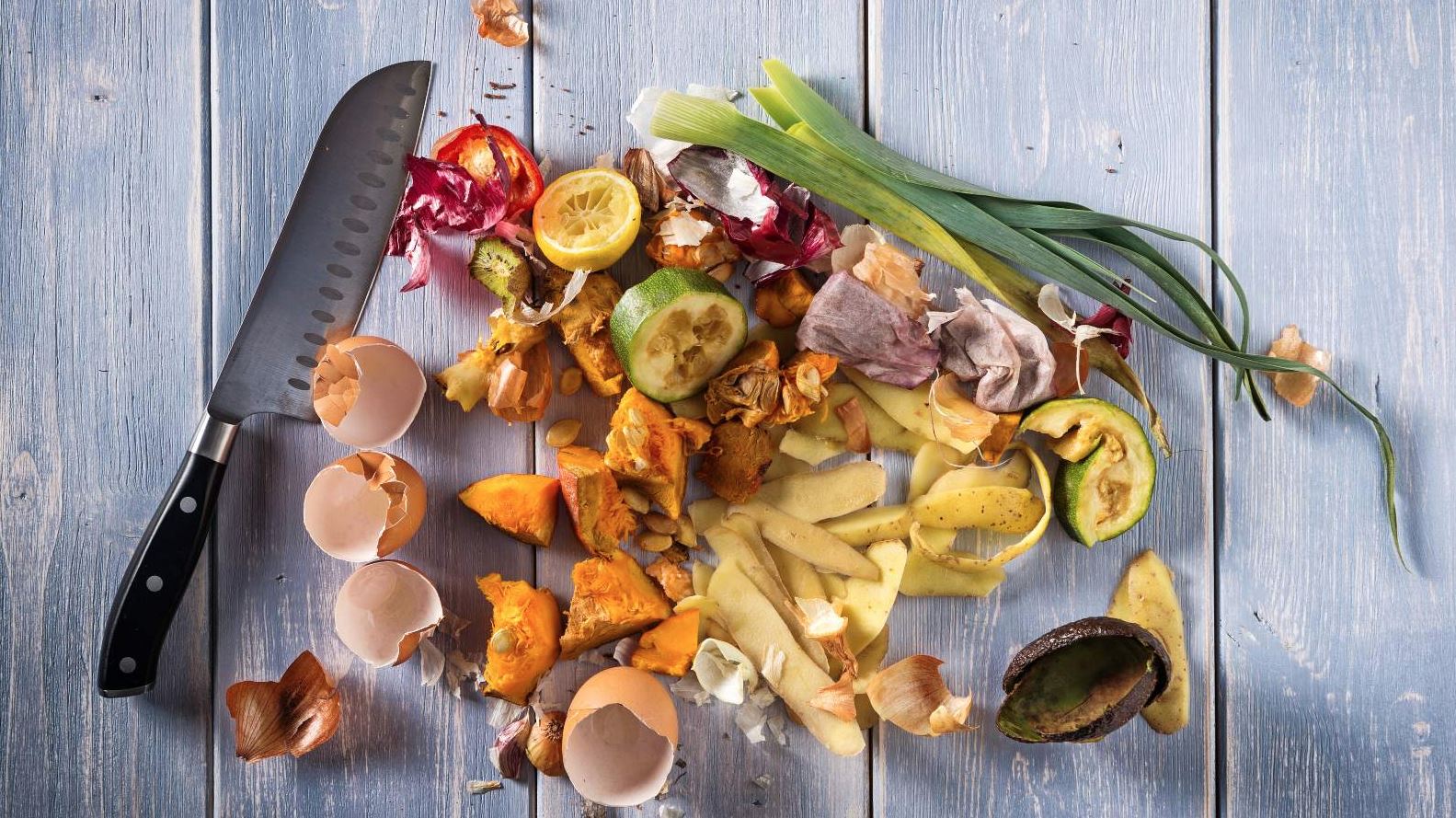
Overlooked byproducts become nutritious staples through science, craft, and circular design
The case for giving leftovers a second life
Upcycled ingredients begin where conventional supply chains end, they capture nutrition, flavor, and function that would otherwise slip into waste streams, and they do so with traceability and care so that safety and taste remain first in line, which turns disposal problems into pantry solutions that save water, land, and energy while feeding people well.
Defining value where others see only residue
Every harvest creates side streams such as fruit pomace, vegetable trimmings, spent grain, coffee pulp, cocoa husks, whey, and seed press cakes, and each of these carries fibers, proteins, minerals, and aromatic compounds that still hold culinary promise when processed properly with drying, milling, fermentation, or gentle extraction that respects the original matrix.
Safety as the starter rule for every project
Upcycling is only meaningful when specifications meet food grade standards from the first handshake, which means clean sourcing, allergen control, validated kill steps where needed, and clear lot tracking that follows the transformed ingredient into finished goods with records that support audits and protect consumers.
Spent grain that becomes daily bread
Breweries separate a fragrant mash of barley and other cereals once sugars move to the kettle, and that mash still holds protein, beta glucans, and insoluble fiber that bakes into hearty loaves, crackers, and granola, especially when moisture is reduced quickly to stabilize flavor and when mills turn coarse flakes into flours that blend with wheat or gluten free bases.
Fruit pomace as color, fiber, and aroma
Juice presses leave skins and pulp that retain pigments and polyphenols, and when dried at low temperatures they keep bright hues that color pasta, snack coatings, and breakfast flakes, while their fibers improve satiety in bars and cereals without harsh textures if particle size is matched to the final bite.
Coffee fruit that steps forward as food
Coffee cherries hide a sweet mucilage and a thin skin that farmers have often discarded, yet these parts can be dried into teas, milled into flours, or fermented into sauces that carry antioxidants and gentle fruit notes, which opens new income for growers while diversifying flavor for bakers and beverage makers.
Seed press cakes as protein rich building blocks
When oil is pressed from sunflower, pumpkin, hemp, or flax, the remaining cake holds concentrated protein and minerals, and after careful defatting and microbiological checks it can be milled and sifted for use in pasta, tortillas, plant based burgers, or smoothies where its nutty character enhances depth rather than hiding behind seasoning.
Whey and the journey from surplus to structure
Cheese makers once viewed whey as a disposal challenge, now filtration and fermentation convert it into clean proteins, minerals, and lactose syrups that build foams, stabilize frozen desserts, and support cultured drinks, while lactose can feed beneficial microbes or become galacto oligosaccharides that function as prebiotic fibers in yogurts and bars.
Citrus peels as chemistry in the kitchen
Peels supply pectin for jams and plant based gels, valuable oils for aroma, and candied zest for pastry, and steam distillation plus alcohol extraction unlocks specific fractions that move into beverages and confections, while the remaining fiber enriches bakery applications with moisture retention that reduces staling.
Vegetable stems and leaves as savory assets
Broccoli stalks, carrot tops, fennel fronds, and cauliflower leaves carry sweetness, minerals, and chlorophyll that transform into soups, pestos, and pickles, and commercial kitchens shred and blanch these parts for dumpling fillings, savory pies, and noodle sauces that cut produce loss while raising menu interest.
Fermentation as the quiet multiplier of value
Microbial cultures upgrade byproducts into flavorful and safe foods, koji breaks complex carbohydrates into sugars and amino acids for sauces and misos built from bread ends or rice bran, lactic cultures soften vegetable trimmings into crisp pickles, and tempeh cultures knit legume cooking water press cakes into sliceable protein.
Drying and milling to match performance
Low temperature drying protects color and aroma while preventing off notes, then mills tailor particle size to target uses, fine flours disappear into batters and doughs, medium cuts add crunch to coatings, and coarse grits create hearty inclusions in porridge and snack clusters, which allows one source stream to serve several product lines.
Extraction that respects the matrix
Water and ethanol extraction capture polyphenols, natural colors, or flavors from husks and peels, while supercritical carbon dioxide pulls delicate oils without solvent residues, and enzymatic steps release bound nutrients such as arabinoxylans from bran, all under controls that preserve safety and minimize energy use.
Nutrition that arrives with proof not promises
Upcycled ingredients must earn their seat through verified protein quality, fiber content, and bioactive stability, which calls for third party assays, digestibility studies, and shelf trials that confirm numbers at the end of life, because meaningful data moves this category from novelty to trusted staple.
Labeling that tells a clear and honest story
Packages should state the source stream, the percentage used, and the benefit delivered, along with instructions for storage and recycling that match local systems, and certifications from recognized bodies can validate upcycled content so that shoppers recognize credible work rather than vague claims.
Flavor as the ultimate advocate
Great taste converts skeptics, so formulation focuses on balancing earthy notes with acids, herbs, and natural sweetness, roasting spent grain flour lifts nutty tones, citrus peel extracts brighten bakery, and coffee fruit syrups round out chocolate, while texture adjustments through hydration and fat pairing keep snacks crisp and breads tender.
Cost, logistics, and the art of steady supply
Side streams fluctuate with harvest cycles and production schedules, which means contracts must define volumes, moisture, and delivery windows, and investments in modular dryers, silos, and hygienic transport turn irregular flows into reliable ingredients that fit modern plants without constant reformulation.
Case pathways from idea to shelf
A bakery partners with a brewery to collect cooled spent grain each afternoon, dewaters it, dries it overnight with captured heat from ovens, mills it in the morning, and blends ten percent into dough that bakes into loaves with higher fiber and a toasty aroma, while a juice plant dries apple pomace into a fine powder that colors crackers and binds fruit bars into stable shapes.
Restaurants as laboratories for habit change
Chefs lead with taste and story, turning carrot peel chips with herb salt into table snacks, whisking aquafaba into airy desserts, and steeping corn husks into broths that perfume seasonal stews, then sharing techniques with diners and staff so that home kitchens can copy these wins without new equipment.
Home cooks and simple weekly rituals
Save clean vegetable scraps in a freezer bag for stock every Sunday, dry citrus peels on a tray for a fragrant spice blend, toast stale bread into crumbs for cutlets, and simmer apple cores with a little sugar for pectin rich syrup that sets quick jams, which turns habit into savings and creativity.
Measurement that keeps teams honest
Track kilograms diverted per month, greenhouse emissions avoided, water saved, nutrition delivered per serving, and sell through rates for each product, then share a short report yearly that includes setbacks and next steps, because transparency attracts partners and helps regulators design supportive policies.
Allergens and dietary needs without confusion
Clear statements protect people who react to wheat, nuts, soy, milk, fish, or shellfish, and dedicated lines or validated cleaning methods keep cross contact in check, while alternative streams such as fruit pomace and certain seed cakes offer gluten free or nut free routes for inclusive design.
Quality systems that scale gracefully
Hazard analysis defines risks from collection through packaging, temperature logs document safe holding times, rapid tests screen for pathogens and mycotoxins, and supplier approvals ensure that farms and factories meet baseline hygiene before any transfer occurs, which builds trust across the chain.
Education as part of the recipe
Cooking classes, market demos, and school programs show how upcycled flours, pickles, and spreads fit everyday meals, and QR codes on packages link to quick videos and storage tips so that new ingredients feel familiar within a week of purchase, which replaces caution with curiosity.
Policy and incentives that accelerate adoption
Municipalities can support sorted collection at food plants, offer grants for drying and cold storage, and include upcycled products in public purchasing for schools and hospitals, while standards bodies refine definitions and testing protocols that give investors confidence and help brands compete on performance rather than slogans.
Design thinking from the start of a product
Developers can write circularity into briefs by asking which side streams exist near the factory, which nutrients are most needed by the target community, and which formats create the least packaging, then prototype with sensory panels that include diverse palates so that the final item wins on flavor before it makes any sustainability claim.
Links to soil health and farm resilience
When byproducts gain value, farmers can invest in cover crops, composting, and on farm processing that reduces transport loads, and cooperative mills owned by growers stabilize prices while keeping margins in rural communities, which turns circular ingredients into anchors for regional prosperity.
Digital tools that match streams to makers
Marketplaces connect producers with converters through real time listings that show volume, moisture, location, and price, while predictive models forecast availability from weather and harvest data so that logistics can book trucks and dryers before a glut or a gap arrives, which keeps plants humming and food out of bins.
Ecommerce and storytelling without waste
Direct to consumer boxes pair upcycled staples like flours, crackers, teas, and sauces with simple recipes and storage guides, and right sized paper mailers with curbside friendly padding protect contents while leaving clear instructions for recycling so that the circular promise reaches the doorstep intact.
Climate gains that stand up to scrutiny
Life cycle studies compare the fate of a byproduct sent to landfill or low value feed with the same material turned into food, accounting for drying energy, transport, packaging, and shelf life, and in many cases the avoided methane and the displaced virgin crops outweigh the added steps, especially when waste heat, renewable power, and short routes are used.
Creative flavor pairings that celebrate origin
Apple pomace lifts spice cookies with natural sweetness, orange peel powder brightens couscous with perfumed citrus, spent grain flour pairs with dark cocoa and espresso for bold brownies, coffee cherry syrups glaze roast carrots with gentle fruit notes, and seed cake crumbs coat tofu or fish for a nutty crust that turns weeknight dinners into highlights.
Menu engineering for food service scale
Cafeterias can swap ten percent of pancake flour for spent grain to boost fiber without changing griddles, blend carrot top pesto into pasta stations, and pour citrus peel bitters into sparkling water as a zero alcohol option, all while tracking plate waste to ensure that new items satisfy rather than return to the dish room untouched.
Storage and shelf life that respect quality
Dry ingredients need moisture barriers and oxygen control to protect aroma, refrigerated pickles and sauces require stable pH and salt levels, and frozen components like vegetable stem dumplings hold shape and flavor when blast chilled quickly, which converts fragile streams into reliable stock for busy weeks.
Equity and fair pay in the circular chain
Contracts should compensate farmers and plant workers for sorting, cleaning, and timely delivery, and brands can share revenue with partners who supply steady streams, while training programs open new roles in quality control, fermentation, and safe handling for local residents who want skilled jobs near home.
Metrics that reach the shopper without jargon
Simple icons can report grams of food rescued per serving, liters of water saved, and percent of ingredient sourced within a given radius, with a link to methods for those who want detail, which keeps labels friendly while guarding against vague or inflated claims.
A table where nothing good is lost
Upcycled ingredients invite a gentle change in habit, we look twice at what remains after pressing, brewing, peeling, or slicing, we learn to preserve flavor and nutrition with skill, and we serve meals that taste generous while using less from the planet, and if this becomes normal in homes, restaurants, and plants, supper will tell a new story where care turns scraps into comfort and where every bite carries proof that creativity can feed both people and place.