

Invisible Architects of Flavor
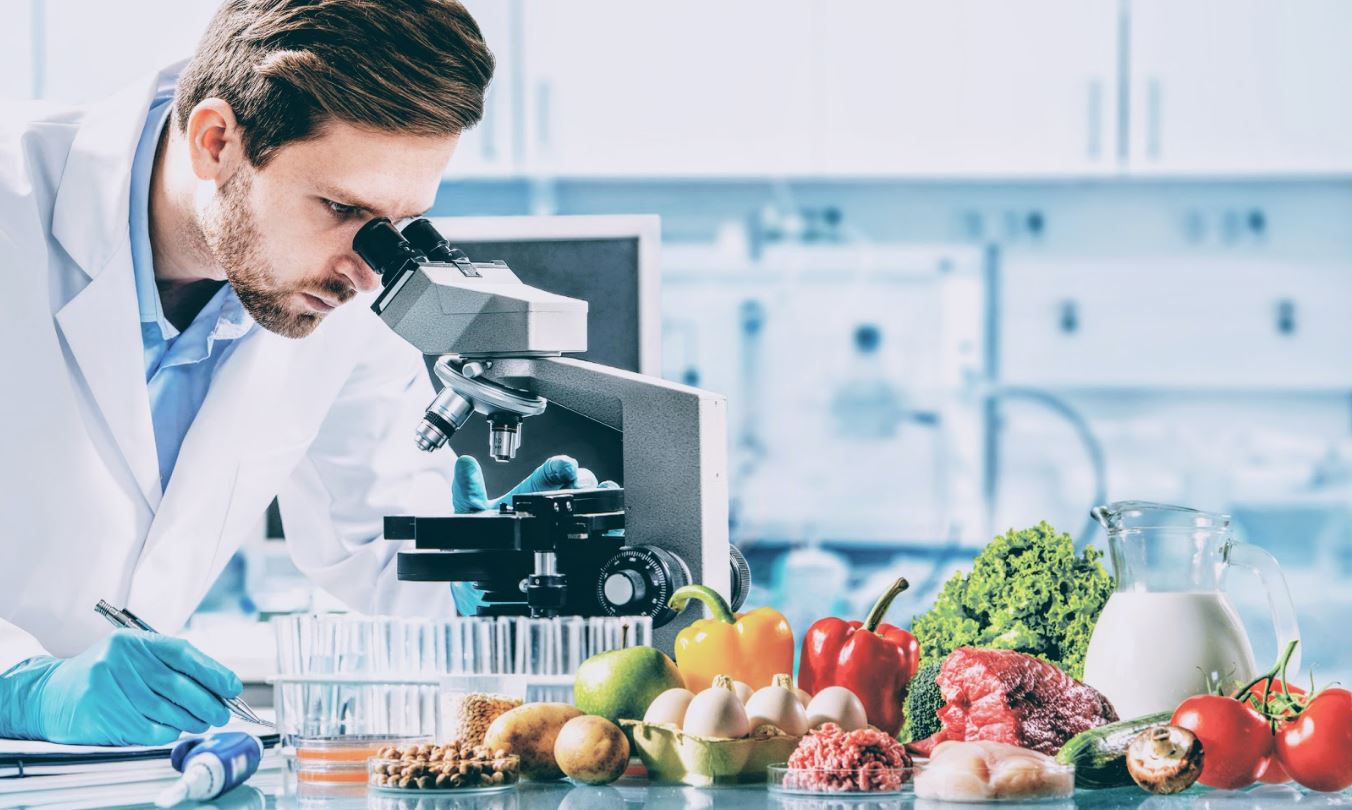
How Molecular Design Shapes What We Taste, Feel, and Remember
The Microscopic Foundation of Culinary Experience
Every taste we enjoy begins long before it reaches our tongue. Deep inside the structure of food, atoms bind and release energy in ways that determine everything from aroma to texture. This invisible world is what food scientists call the molecular matrix, a complex interplay of carbohydrates, proteins, lipids, and trace elements that interact under the influence of heat, pH, and moisture. The moment a tomato ripens or a crust forms on freshly baked bread, countless reactions unfold in synchronized precision. These reactions transform simple ingredients into compounds that stimulate memory, desire, and satisfaction. When researchers examine these transformations at the molecular scale, they uncover the reasons behind seemingly ordinary pleasures such as the satisfying crunch of a roasted nut or the comforting sweetness of caramelized sugar. The chemistry that drives these sensations reminds us that flavor is not a coincidence but a meticulously constructed phenomenon rooted in physics and biology.
Within every ingredient lies potential energy waiting to be rearranged. When we cook, slice, or ferment, we alter molecular bonds and release new sensory cues. Food science allows us to track these transitions, identifying how structure dictates experience. The more we learn about this microscopic architecture, the better we understand how to enhance nutrition, conserve resources, and maintain quality without compromising pleasure. Each molecule carries both energy and story, revealing the hidden craftsmanship that sustains human nourishment.
The Molecular Drama of Heat and Transformation
Temperature is the sculptor of molecular structure. When heat enters a food system, proteins unfold, starches gelatinize, and fats melt into emulsions that shape mouthfeel. In the early stages of cooking, moisture movement sets off a chain reaction that defines final texture. Gentle simmering can preserve volatile flavors while high searing locks in juices through surface dehydration. Food scientists monitor these transitions using thermal analysis and spectroscopy to ensure that each degree of heat contributes meaningfully to both flavor and safety. The Maillard reaction, perhaps the most famous thermal process in cuisine, exemplifies this principle by combining amino acids and sugars into golden-brown networks that release hundreds of aroma compounds. These molecules interact with the olfactory system to produce the roasted notes that dominate baked goods, coffee, and grilled meat.
Yet, not all transformations are beneficial. Excessive heat can destroy sensitive nutrients such as vitamin C or denature proteins to the point of digestibility loss. Understanding how energy influences molecular integrity helps scientists design methods that preserve both flavor and nutrition. From sous-vide precision cooking to infrared dehydration, controlled heat enables a marriage between artistry and engineering that defines modern culinary innovation. The precise modulation of temperature has become not only a kitchen tool but a scientific discipline that merges chemistry with sensory psychology.
The Dance of Water, Fat, and Air
Three seemingly ordinary substances dictate the structure of almost every edible product: water, fat, and air. They act as dynamic carriers that regulate temperature, distribute flavor, and maintain texture. In frozen desserts, tiny ice crystals suspended in fat create smoothness, while in baked pastries, air pockets expand to form flaky layers. Food scientists manipulate these interactions by studying phase transitions and emulsification patterns. An emulsion, such as mayonnaise, demonstrates how immiscible liquids can be stabilized through the presence of emulsifiers that form microscopic bridges between fat and water molecules. By altering droplet size or the type of surfactant used, scientists can adjust creaminess, stability, and glossiness in a product.
Air is the unsung hero of lightness. Through controlled aeration, bakers and confectioners create delicate structures that amplify perceived freshness. The introduction of gas through fermentation or whipping increases volume without additional calories, providing a sensory illusion of abundance. Understanding how these three components coexist at the molecular level allows food engineers to enhance mouthfeel and shelf life while reducing waste. When science meets texture, even the simplest bite reveals layers of design crafted through invisible chemistry.
The Living Chemistry of Fermentation and Decay
In the vast landscape of food science, fermentation stands as a bridge between life and transformation. Microorganisms such as yeast, bacteria, and fungi function as molecular artisans that rewrite the chemistry of ingredients. As they feed on sugars, they produce acids, alcohols, and gases that alter pH, aroma, and texture. This biological collaboration creates foods with increased stability and enhanced flavor complexity. From sourdough starters to kombucha cultures, fermentation reflects a conversation between human intention and microbial intelligence. Each environment hosts a unique population that evolves over time, resulting in flavors that cannot be exactly replicated elsewhere.
Scientists analyze these ecosystems through genomic sequencing and metabolic profiling, uncovering the pathways that lead to desirable outcomes such as improved digestibility or probiotic activity. The challenge lies in managing microbial balance to prevent spoilage while fostering beneficial diversity. Fermentation also serves as a sustainable preservation strategy that reduces food waste by extending the lifespan of perishable ingredients. The relationship between decay and creation becomes visible here, illustrating how microorganisms play both destructive and constructive roles in shaping the global food system. The chemistry of life and death within food reveals nature’s capacity for continuous renewal through molecular design.
The Genetics of Flavor and the Promise of Molecular Breeding
Modern advances in molecular biology allow scientists to engineer plants and animals with enhanced flavor, texture, and resilience. By identifying genetic sequences responsible for aromatic compounds or nutrient density, researchers can breed varieties that require fewer resources yet deliver superior taste. Tomatoes rich in volatile compounds, rice strains fortified with vitamins, and cocoa trees resistant to disease represent milestones in this new frontier. Molecular breeding differs from traditional genetic modification because it refines existing traits instead of inserting foreign genes. Through genome mapping, scientists track how enzymes influence chemical precursors of flavor, leading to products that satisfy both palate and planet.
This form of innovation raises ethical and ecological questions that must be approached with caution. FoodFrontier topics such as sustainability demand that every intervention respects biodiversity and long-term ecosystem balance. When flavor becomes an outcome of genetic design, humanity gains responsibility for the sensory future of its diet. Balancing progress with preservation ensures that food remains a reflection of both evolution and intention. Molecular breeding stands at the crossroads of science and philosophy, where taste becomes a coded language written by DNA and interpreted by culture.
Nutrition at the Molecular Scale
Nutrition is not simply a count of calories but a network of biochemical interactions that govern metabolism and health. Food scientists dissect this network to understand how molecules interact with human physiology. Carbohydrates provide energy through glycolytic pathways, proteins supply amino acids that construct tissue, and lipids form cellular membranes that regulate absorption. Micronutrients such as zinc and vitamin D serve as catalysts for enzymatic reactions that sustain life. By examining these processes, researchers reveal how cooking, storage, and processing modify nutrient availability. For example, lightly steaming vegetables can increase the bioaccessibility of carotenoids, whereas overcooking may reduce their antioxidant potency.
Emerging fields such as nutrigenomics explore how genetic variation affects individual responses to food. One person may efficiently metabolize caffeine while another experiences discomfort due to genetic differences in liver enzyme expression. Understanding this variability opens doors to personalized diets that align with each individual’s biochemical profile. This molecular approach to nutrition redefines health as a customized equation between biology and behavior. As analytical technology advances, the dream of foods designed for personal metabolism moves closer to reality, connecting the precision of science with the intimacy of nourishment.
The Future of Food Preservation
Preservation has evolved from salting and drying to technologies that manipulate molecular stability. Food scientists now use pressure, light, and plasma treatments to extend freshness without chemical additives. High-pressure processing disrupts microbial membranes without heat, maintaining flavor and nutrients. Pulsed light sterilizes surfaces while preserving the sensory profile of delicate foods. These methods rely on molecular dynamics, using energy to modify structure without altering composition. The result is food that lasts longer while maintaining the qualities that define freshness. In developing nations, such innovations contribute to food security by reducing post-harvest losses and maintaining nutritional integrity through transport and storage.
Another emerging method involves active packaging, where biopolymers infused with natural antimicrobials interact dynamically with the food environment. Materials made from chitosan or plant cellulose not only replace plastic but also respond to humidity and temperature changes. This living packaging concept blurs the boundary between container and content, signaling a new era of sustainability. Through the lens of molecular science, preservation becomes more than protection, it becomes an adaptive system designed to respect both the food and the ecosystem that sustains it.
The Sensory Bridge Between Science and Culture
Every discovery in food science eventually touches culture because eating is as much emotional as it is biological. The molecules that compose a flavor may be universal, yet their interpretation is profoundly human. In one culture, fermentation may symbolize preservation and family tradition, while in another it represents innovation and artistry. Scientists study these cultural preferences to understand how memory and expectation shape perception. The aroma of vanilla may evoke comfort in one setting and excess in another, reminding us that molecules carry meaning beyond chemistry. Sensory evaluation panels combine subjective human feedback with objective analysis to map how emotions correlate with molecular stimuli.
This integration of psychology with chemistry broadens the definition of food science. The lab becomes not just a space for analysis but a place where human experience is quantified and respected. By connecting molecular behavior with cultural resonance, researchers ensure that innovation serves the shared heritage of taste. Food becomes a medium for empathy, bridging tradition and modernity through sensory understanding. The science of flavor thus becomes the science of connection, where data and emotion converge in every meal.
Sustainability Through Molecular Efficiency
The global demand for food places unprecedented pressure on resources. Molecular efficiency offers a path toward sustainable production by maximizing output with minimal waste. Scientists are designing enzymes that accelerate fermentation, reduce energy consumption, and convert by-products into valuable nutrients. Agricultural residues can be transformed into protein-rich feed or biodegradable materials through enzymatic catalysis. This molecular recycling closes loops that once produced waste, creating circular systems that emulate natural ecosystems. Precision fermentation now allows the creation of dairy proteins without animals, offering identical nutritional profiles with drastically lower emissions.
The ultimate goal of molecular sustainability is equilibrium. Every molecule that enters production should either nourish, regenerate, or safely return to the environment. As research progresses, the food industry begins to view molecular design not as manipulation but as stewardship. Through molecular insight, sustainability transcends ideology and becomes measurable practice. This redefinition of responsibility transforms food science into a cornerstone of planetary health, demonstrating that understanding matter at its smallest scale can protect life at its largest.
The Continuing Frontier of Flavor
As the study of food chemistry deepens, we begin to see flavor not as a fixed property but as a living system shaped by molecules, microbes, and human imagination. The invisible architects of flavor operate silently in every kitchen, lab, and field, weaving together physics, biology, and emotion. Food science reveals that taste is not just a sensory event but a dialogue between energy and matter, between what we eat and who we are. By learning the language of molecules, humanity gains the ability to create food that sustains both body and planet. The frontier of flavor continues to expand, inviting curiosity, respect, and a commitment to discovery that honors every particle of nourishment within our reach.