

The Garden Beneath Our Appetite
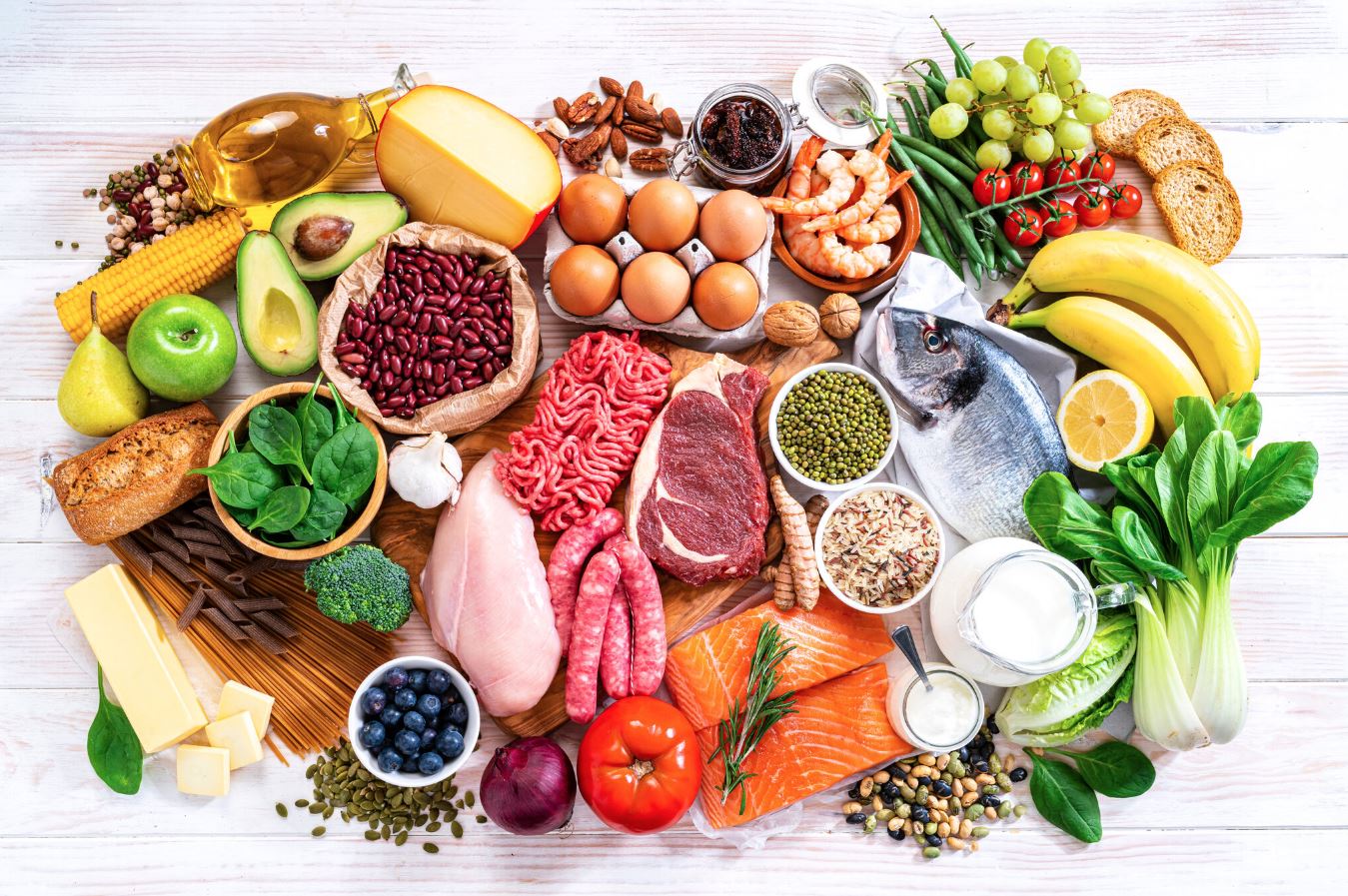
Tiny neighbors teach the body to nourish, protect, and adapt through everyday food choices
A living community that shapes human biology
Inside the digestive tract lives a crowded city of bacteria, archaea, yeasts, and viruses that help transform meals into signals the body can understand. This community ferments fibers, tunes immunity, and crafts molecules that speak to organs across the body. The microbiome thrives when it receives steady inputs from diverse plants and well prepared foods. It falters when meals arrive as refined sugars, scarce fibers, and a narrow palette. When we feed this community well, it returns the favor with vitamins, short chain fatty acids, and a calmer inflammatory tone that supports long term health.
Scientists once viewed the gut as a simple pipe, yet the picture now resembles a busy research center with rapid communication between residents and host cells. Receptors along the intestinal lining read microbial products and adjust metabolism, barrier function, and neurotransmitter production. A resilient microbiome does not mean the presence of a single heroic species. It means balance and redundancy, where many helpers share tasks so that stress or illness does not erase important functions.
Beginnings that echo through a lifetime
The earliest exposures to microbes arrive during birth and in the first months of feeding. Contact with caregivers, soil, and safe foods populates the gut with species that teach the immune system self control. Variety in early produce and grains encourages curiosity at the table and diversity in the colon. Antibiotics sometimes save lives, yet they also prune microbial forests. When treatment is needed, thoughtful use and careful recovery plans help rebuild balance after the storm.
Throughout childhood the microbiome expands in complexity as kids meet new foods and environments. Adolescence introduces hormonal shifts that change gut chemistry. The adult pattern emerges as a stable yet adaptable consortium that reflects diet, stress, sleep, and movement. With age, diversity can decline, which increases frailty risk. Gentle training through fiber rich meals, fermented foods, and social eating helps keep vitality alive.
Fiber as the orchestra conductor
Fiber is not filler. It is a library of complex carbohydrates that microbes turn into short chain fatty acids. These acids, mainly acetate, propionate, and butyrate, fuel colon cells, strengthen the barrier, and shape immune signaling. Different fibers feed different specialists, which means variety matters more than hitting a single number. Soluble fibers increase viscosity and slow glucose rise. Insoluble fibers add structure that supports regularity. Resistant starch behaves like a slow release package, breaking down deep in the colon where many beneficial species live.
The simple rule that many plants build many microbes holds true across cultures. A week that includes whole grains, legumes, tubers, nuts, seeds, fruits, and leafy vegetables creates a rhythmic supply of substrates. Cooking and cooling potatoes or rice creates more resistant starch. Milling grains less and chewing more preserves structure and leaves something for microbes to savor.
Prebiotics that invite friendly bloom
Specific fibers known as prebiotics selectively encourage beneficial taxa. Inulin and fructooligosaccharides from chicory and onions often raise bifidobacteria. Galactooligosaccharides found in certain legumes support a similar trend. Arabinoxylans from whole wheat and beta glucans from oats provide additional options. The goal is not a spike in a single group. The aim is a gentle nudge toward balance that improves stool quality, calms gut reactivity, and supports mineral absorption.
People vary in tolerance. Start small, drink water, and pair fibers with meals that include healthy fats and proteins to slow transit and reduce gas. Rotating sources over weeks keeps the community curious and responsive, which reduces plateaus and maintains comfort.
Probiotics that act with purpose
Live cultures can complement the resident community when strain identity, dose, and delivery match a clear goal. Some strains help shorten the duration of common diarrhea. Others support lactose digestion or ease symptoms of irritable bowel patterns. Survival through the stomach matters, as does storage that protects viability until the end of shelf life. Fermented foods provide a traditional path with yogurts, kefirs, kimchi, tempeh, and sourdough. Products with stated strain codes and counts help consumers compare options and track personal response over several weeks.
No single strain fits all. The most reliable gains appear when probiotic choices align with a specific outcome and when diet continues to supply prebiotic fibers that help residents and guests collaborate rather than compete.
Postbiotics as quiet messengers
Even without live microbes, components such as cell wall fragments and metabolites can signal the host. These postbiotics modulate immune tone and barrier integrity without the handling challenges of living cultures. Heat treated preparations can be stable and safe for groups that prefer to avoid live microbes. They do not replace the broad benefits of a thriving community, yet they can add helpful notes to a thoughtful plan.
In practice, postbiotics often come packaged inside fermented foods where peptides, organic acids, and exopolysaccharides contribute to flavor and function. The lesson is simple. Microbial work continues to matter even when the workers are no longer present.
The gut barrier as a diplomatic border
The intestinal wall must welcome nutrients while keeping invaders out. Tight junction proteins hold cells together like careful stitches. Butyrate produced from fiber serves as a primary fuel for colon cells and encourages strong junctions. Zinc, vitamin D, and omega three fats support this barrier through structural and signaling roles. Excess alcohol, chronic stress, and highly processed foods can loosen the weave, which increases reactivity and fatigue. Repair favors steady fiber, moderate alcohol, restful sleep, and meals rich in polyphenols that tame oxidation.
Slower eating also supports the border. Chewing well and pausing between bites improves enzyme action and reduces undigested material reaching the colon too quickly. The result is less gas, better comfort, and a happier neighborhood for microbes.
The immune classroom along the intestinal wall
Most immune cells reside near the gut, where they read signals from microbes every hour. A balanced microbiome trains these cells to respond with care rather than overreaction. Short chain fatty acids encourage the development of regulatory cells that keep inflammation within useful bounds. Dietary diversity exposes the system to a wide range of harmless antigens, which improves tolerance. Overly sterile routines remove teaching moments and may increase risk of misdirected responses.
Food safety remains important. Clean hands, proper storage, and sound cooking protect against pathogens. Balance means respecting both lessons. We welcome diversity from safe sources, and we avoid true dangers through good habits.
The brain and the gut in constant conversation
Nerves, hormones, and microbial metabolites create a two way line between the enteric nervous system and the brain. Certain microbes synthesize precursors to neurotransmitters. Others influence the production of serotonin within gut cells, which in turn affects motility and mood. Stress can change gut transit, reduce mucus thickness, and alter microbial composition. In the other direction, a thriving community tends to support calmer stress responses and better sleep.
Simple daily acts help. Walking after meals improves motility, sunlight anchors circadian rhythm, and breathing exercises reduce sympathetic overdrive. When the body rests with regularity, the gut finds a rhythm that microbes appreciate, and comfort follows.
Fermented foods as culture and craft
Across the world, families have preserved harvests through fermentation that also deepens flavor. Live ferments can increase vitamin content, reduce antinutrients, and populate the small intestine with helpful travelers. Salt levels, temperature, and time determine which microbes dominate and what tastes emerge. Store options vary in viability, so look for products kept refrigerated with simple ingredient lists and minimal additives. At home, clean jars, correct brine, and patience produce crunchy, bright results that fit many meals.
Fermented dairy, soy, grains, and vegetables each offer distinct matrices. Rotating them introduces varied species and compounds, which broadens the training program for the immune system and keeps taste buds entertained.
Polyphenols that feed allies and shape signals
Colorful plants carry polyphenols that microbes transform into smaller molecules with systemic effects. Berries, cocoa, tea, and herbs contribute these compounds in accessible forms. The synergy between fiber and polyphenols matters since fibers carry them to the colon and modulate release. Gentle heating can increase availability in some foods, while overcooking may degrade value. Pairing with a little fat improves transport for certain classes, which supports both flavor and function.
Rather than isolate a single hero compound, build a palette of fruits and spices across the week. Culinary variety becomes both pleasure and policy for microbial health.
Fats, sweeteners, and the shape of the menu
Fats influence bile flow and microbial composition. Diets dominated by refined fats may favor species linked with inflammation, while patterns that include olive oil, nuts, and marine sources often correlate with better markers. Natural sweetness from whole fruit arrives with fiber and water that slow absorption. Intense sweeteners vary in their effects on the microbiome and on appetite. If used, test personal response by tracking comfort and cravings over several weeks while prioritizing whole foods that require chewing and provide volume.
Balance emerges when meals include complex carbohydrates, lean proteins or legumes, and fats that carry antioxidants. The plate should feel colorful and abundant rather than sparse, which increases adherence and reduces late day binges.
Sleep, movement, and rhythm as hidden nutrients
Microbial communities follow daily cycles. Irregular sleep, late heavy meals, and constant snacking blur these patterns. Aim for a consistent window of eating that leaves at least a gentle overnight fast to allow repair. Movement supports peristalsis and increases insulin sensitivity, which benefits both host and microbes. Even short walks after meals deliver outsized gains.
Hydration completes the picture. Water softens fiber and supports mucus production. Both outcomes reduce strain on the gut and create a stable home for microbes to do their work.
Antibiotics, recovery, and stewardship
When infection requires medication, protect long term health by using the narrowest agent for the shortest effective time with clinical guidance. During and after treatment, supply fibers and fermented foods to speed recovery. Some evidence supports the use of select probiotics alongside therapy to reduce certain side effects. After the course, resist the urge to pile on many products at once. Return to steady routines, add variety, and let the community rebuild with patience.
Households can reduce unnecessary exposure by avoiding self medication and by storing leftovers properly to prevent foodborne illness that might lead to treatment. Stewardship is an everyday practice that benefits the entire neighborhood of microbes.
Testing tools and their limits
Stool tests can describe which organisms appear in a sample, yet they cannot capture the full complexity of function in real time. Results vary across days and methods. Use tests as a snapshot that guides experiments, not as a verdict. Symptom diaries, energy logs, and simple markers such as stool form often provide more actionable feedback when paired with dietary changes.
Personalized plans should respect culture, budget, and cooking skills. A sustainable plan that fits a family schedule will always outperform a perfect plan that nobody follows.
Meal patterns that cultivate diversity
A weekly template keeps choices simple while retaining variety. Start mornings with oats or other whole grains topped with seeds and fruit for fiber and polyphenols. Midday meals can feature legumes, greens, and olive oil for satiety and friendly fats. Evenings can rotate tubers, ancient grains, and roasted vegetables with herbs and fermented sides. Snacks can be nuts, yogurt with live cultures, or fruit with a small square of dark cocoa.
Spices add microbial interest and lift mood. Cinnamon, cumin, turmeric, ginger, and garlic all bring bioactive compounds that interact with microbial pathways. Small amounts across many dishes work better than large pulses once in a while.
Urban kitchens and achievable habits
City life can challenge home cooking, yet small rituals build momentum. Prepare a pot of beans on the weekend. Wash and chop vegetables for quick access. Keep jars of sauerkraut or kimchi in the fridge for instant sides. Choose whole grain breads from bakeries that use slow fermentation. Bring a reusable container of nuts to avoid vending machines when energy dips. Each small move supplies substrates that the microbiome recognizes and appreciates.
Community also matters. Share recipes with neighbors, trade starter cultures, and visit markets that showcase seasonal produce. Social eating lowers stress and builds gratitude, both of which translate into better digestion.
Sustainability and the shared gut of the planet
Soils are the planetary microbiome. Farming that protects soil life tends to produce foods richer in phytochemicals and with better texture and shelf life. When consumers choose diversity and seasonal abundance, growers find support for rotations and cover crops that build microbial richness in fields. Less waste means fewer spikes of nutrient runoff that disrupt waterways and coastal ecosystems. A healthy human microbiome and a healthy landscape reinforce each other through daily purchases and habits.
Packaging plays a role as well. Fermented vegetables in glass that can be reused, yogurts in recyclable containers, and bulk bins for grains and legumes reduce environmental stress while making microbiome friendly eating affordable and accessible.
A covenant with the smallest citizens
Care for the microbiome is a patient practice that rewards consistency over spectacle. A plate filled with color, a spoonful of live culture, a walk in the sun, a quiet hour of sleep, and a glass of water form a set of simple promises that the body believes. With time, the gut becomes a garden that feeds itself and the person it serves. Comfort improves, energy steadies, and resilience returns. The smallest citizens within us ask for modest gifts, and in exchange they help carry the weight of modern life with quiet strength.